
Document the damage
Photos, measurements, affected-material details and applicable drying or specialist records explain what happened and what needs attention.
From first response to final repair, PCR is there.
Insurance claim restoration · Maryland & Northern Virginia
PCR is an insurance-claim-focused restoration contractor. We work with all insurance companies, substantiate the damage and perform the restoration, from emergency protection through reconstruction. Our goal is to help you receive the benefits owed for the covered restoration under your policy.
I’ve already reported the damageThe evidence behind the estimate
We use industry-standard software to organize the loss documentation and present a detailed restoration estimate. You have one PCR team coordinating the work and the information your insurance company needs to review it.
Photos, measurements, affected-material details and applicable drying or specialist records explain what happened and what needs attention.
An itemized estimate explains the work, quantities and costs. We review differences with the insurance company and provide evidence for items that need clarification.
If newly discovered damage changes the work, we document it, revise the estimate and submit a supplement for the insurance company to review.
PCR at work
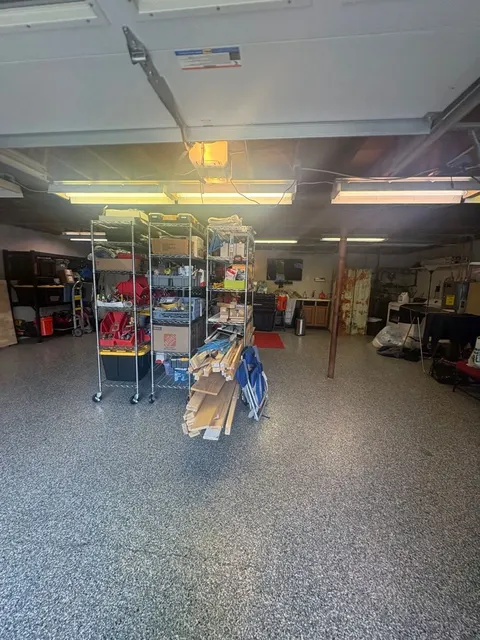
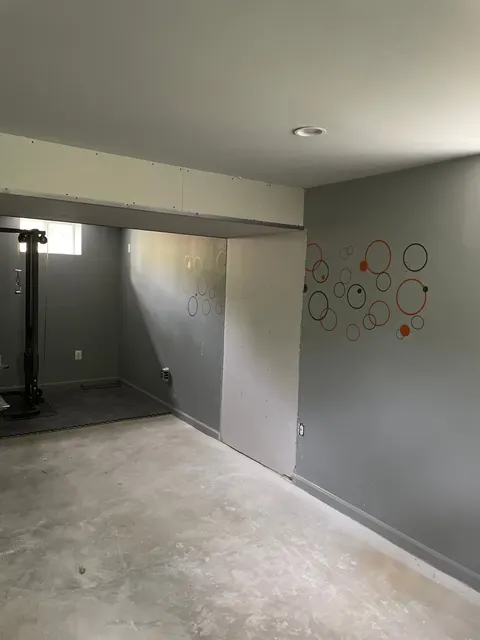
Photos and measurements help document property conditions and the restoration scope. These examples show field documentation and repairs underway.
Contact your insurance company or agent. Ask for the claim number, adjuster contact, what the insurance company needs from you and when to expect an inspection.
When you call PCR, share what happened, what is still getting worse and any access restrictions.
Opens the claim and explains the next steps under your policy.
When it is safe, photograph affected areas and keep receipts for necessary emergency measures. Ask your insurance company how to handle damaged items before disposal.
Perform authorized emergency protection and mitigation, and record the damage, site conditions and work completed with photos, measurements and applicable moisture readings or drying records.
Tells you what documentation it needs and how it wants to inspect the damage.
Point out all affected spaces and share photos, receipts or a contents inventory if requested.
Document the affected areas, identify what needs further evaluation and use industry-standard estimating and documentation software to prepare an itemized repair estimate supported by the conditions at your property.
The adjuster assesses damage and gathers information for the insurance company’s coverage and payment review.
Review the PCR estimate to ensure the full scope is captured and your questions are answered.
Review the repair scope with you and work directly with your insurance company to explain the damage, repair methods, quantities and costs. Identify omitted or differing items, provide supporting documentation and follow up on the restoration estimate. Explain known out-of-pocket costs before you authorize the work.
Explains covered items, deductible, payment terms and any documentation still needed.
Report newly found damage to PCR.
Photograph and document newly exposed damage, update the itemized estimate and submit a supplement with the supporting evidence. Follow up with the insurance company on its review and explain any effect on the repair plan.
Reviews the supplement and determines whether the additional work is covered.
Review the completed work, sign the Certificate of Completion, save invoices and ask the insurance company what it needs to process any remaining eligible payment.
Complete the authorized restoration and reconstruction, walk through the finished work with you, obtain the Certificate of Completion and provide the final invoices and restoration documents needed for claim closeout.
Explains remaining requirements and any payment still due under the policy.
For work the insurance company agrees is covered and pays under your policy, your out-of-pocket cost is generally your deductible. Policy limits, exclusions or limited building-code coverage can leave some work outside the covered scope. Changes or upgrades you choose are separate from the covered repairs.
PCR reviews any known out-of-pocket costs with you before you authorize that work. Your insurance company determines coverage and payment under your policy.
Maryland Insurance Administration guidance
After a loss · Estimating the damage · Hiring a mitigation company
PCR works with all insurance companies to document the loss, explain the restoration scope and coordinate authorized repairs. Find your insurance company and learn what we handle during the claim.